‘High-risk exposure’: Kansas health leaders confirm 3 people exposed to hantavirus
KANSAS CITY, Kan. (KCTV/Gray News) - Health officials in Kansas say they are monitoring several people who had contact with a person who tested positive for hantavirus.
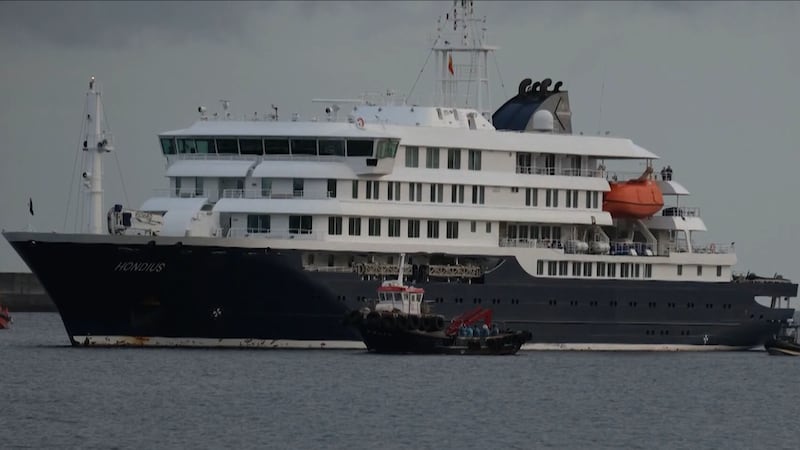
According to the Kansas Department of Health and Environment, three people had “a high-risk exposure” to someone with the Andes hantavirus who’d been on the MV Hondius cruise ship.

The trio was not aboard the ship, but health officials said the exposure occurred internationally following contact with a person who was on the cruise and later tested positive for the virus.
The individuals who are being monitored are not currently experiencing symptoms and are not considered infectious unless they become symptomatic.
Under Centers for Disease Control and Prevention guidance, high-risk exposure may include long close contact or shared living space with someone who has symptoms, or close proximity during travel.
The KDHE says it continues to assess the risk to the public regarding hantavirus.
Hantaviruses are usually spread through wild rodent droppings, urine and saliva, but the CDC notes that the Andes strain is known to spread from person to person.
Symptoms of the Andes virus strain usually begin within four to 42 days after exposure.
Early symptoms can include:
- fever
- fatigue
- muscle aches
- headache
- gastrointestinal symptoms
Several days after the onset of initial symptoms, people can develop a severe illness that affects the lungs, causing cough, chest tightness, and difficulty breathing, according to health experts.
There is no specific treatment currently available. Care focuses on supporting the person through their illness.
Copyright 2026 KWCH via Gray Local Media, Inc. All rights reserved.