The hidden risks of denial in caregiving: When a loved one’s decline is hard to accept
Facing a loved one’s decline is difficult, but acknowledging the changes can help families avoid caregiver burnout.
(Aging Untold) — When a loved one starts to need extra support, admitting how much has changed is one of the hardest hurdles families face.
Denial can step in naturally to protect us from overwhelming grief, but avoiding reality for too long can risk caregiver burnout and compromise care.
Recognizing where you and your loved ones stand emotionally is the first step toward navigating the aging journey with clarity and compassion.
The hidden purpose of denial
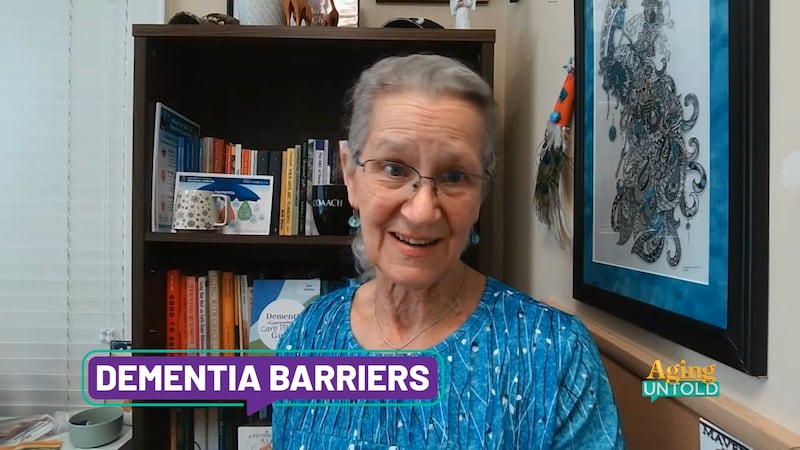
“I think denial gets a bad rap,” Amy O’Rourke, an aging expert, said. “Denial is a really healthy stage of grief. It’s a shock absorber. It allows the body to kind of catch up and process what’s going on. You can’t let this situation take you all over. And I don’t think people realize that you go in and out of it.”
O’Rourke recalled visiting a client whose husband was actively dying. When she arrived, the wife put the conversation on hold.
“She just stopped me and said, ‘You know, we’re having dinner right now, and we’re enjoying each other,’” O’Rourke noted. “I thought, good for you, and I left, and I was so happy for her that she was aware that she was going to keep it away and enjoy him.”
The caregiver blind spot: ‘I’m not a caregiver’
Denial also shows up when family members take on heavy workloads without acknowledging their actual role as a caregiver.
The National Alliance for Caregiving estimates that 63 million Americans, nearly one in four adults, serve as a family caregiver, but Cradduck said that number is likely higher based on her experience with people who don’t recognize themselves as caregivers.
Gerontologist “Sam” Cradduck said many people who are cooking the meals, getting the groceries, keeping the house and paying the bills will tell her that they are not a caregiver. They are doing these tasks for someone who is independent and living alone.
“I’m like OK, when do you become the caregiver? Well, when I give them a shower — when I help with the personal care,’” Cradduck said.
“The denying that someone needs help, or saying ‘I’m fine,’ can be detrimental. Not just the caregiver doing it, but the person themselves,” Cradduck said.
Another facet of denial is when the caregiver who is at a breaking point says they are fine, Cradduck said.
Meeting loved ones where they are
Another facet of denial, aging well coach Katherine Ambrose said, is not facing a loved one’s decline.
If you can’t wrap your head around that, you could actually do harm and have a lot of regrets, she said.
Examples she gave include:
“She’s just being stubborn,” Or, “He’s just giving me a hard time.”
“Because you could be in denial about what is really going on,” Ambrose said.
Seeing a loved one decline is a harsh reality, Dr. Rhea Rogers, a board-certified physician, said.
“You really have to meet people where they are. But it’s really, really hard because when you start to accept that, you also start to understand that they can actually change and decline very quickly,” Rogers said.
Ambrose emphasized reorienting your daily mindset: “You want to think about: Who does my loved one need me to be right now, in this moment, and serve them best?”
When older parents are the ones in denial and resist assistance, O’Rourke advises patience over confrontation: “Don’t try to push your way through the denial in that moment.”
She recommends asking gentle, open-ended questions such as, “What do you see?” or “Are you having a hard time?”
Preventing caregiver burnout and collision
True support cannot happen without an honest assessment of both your loved one’s decline and your personal limits.
“We have to reach a point of acceptance even in our grief,” Cradduck said. “I can’t meet you where you’re at if I don’t know where that’s at. I have to be honest enough to say, ‘You know what? You are declining. This is too hard.’”
Unacknowledged stress can lead to exhaustion and relationship friction.
“It’s not just denying that the person themselves is declining and you’re losing someone that you love; it’s how hard and how insurmountable being that caregiver is,” Cradduck said. “When you’re not admitting it, you’re not taking care of yourself. We’re seeing that caregiver burnout and we’re seeing those struggles so frequently because it’s so hard and you’re just saying, ‘Oh, I’m good, I don’t need help.’”
O’Rourke said she also sees people collide at different stages of grief — one person is in denial and the other is in anger.
“They can collide if you’re not really aware of where are you in the stages of grief because everybody is grieving, whether it’s the caregiver or the person,” O’Rourke said.
Key Takeaways
- Denial acts as an emotional shock absorber: Denial is often a stage of grief that shields families from acute crisis and creates space to process painful news at a manageable pace.
- Find value in being present in the moment: Compartmentalizing the illness sometimes helps families block out the crisis and just enjoy the moment.
- Focus on today’s needs: Stop living in yesterday’s memories. Focus instead on the needs of the person in front of you today.
This program is provided for educational and informational purposes only and does not constitute providing medical advice or professional services. The information provided should not be used for diagnosing or treating a health problem or disease, and those seeking personal medical advice should consult with a licensed physician. Always seek the advice of your doctor or other qualified health provider regarding a medical condition. Never disregard professional medical advice or delay in seeking it because of something you have seen on this program. If you think you may have a medical emergency, call 911 or go to the nearest emergency room immediately. No physician-patient relationship is created by this program or its use. Aging Untold/Gray Media, nor its employees, contractors or agents, nor any contributor to this program, makes any representations, express or implied, with respect to the information provided herein or to its use.
Copyright 2026 Gray Media Group, Inc. All Rights Reserved.